
Carpet moths can do a surprising amount of damage before you realise they have moved in. The best way to get rid of carpet moths is to find every affected area, remove as many eggs and larvae as possible, inspect nearby textiles and arrange suitable treatment when the problem persists. Vacuuming is an essential starting point, but a serious infestation may require professional pest control as well as carpet cleaning.
Over the years, we have inspected many wool carpets with mysterious bald patches. Homeowners often blame wear, the vacuum cleaner or even the family pet. Then we move a sofa and discover larvae quietly enjoying an undisturbed banquet beneath it.
The important thing is not to panic. Carpet moths can usually be controlled when the problem is identified early and treated thoroughly.
What Are Carpet Moths?
“Carpet moth” is a general name used for textile moths whose larvae feed on natural materials. Two species commonly associated with textile damage in the UK are the common clothes moth and the case-bearing clothes moth.
The adult moths are small and usually buff, beige or golden brown. Unlike many outdoor moths, they are not particularly interested in flying around bright lights. They prefer dark, quiet places close to a suitable food source.
That food source may include:
- Wool carpets and rugs
- Wool-blend flooring
- Silk and fur
- Feathers and felt
- Natural-fibre upholstery
- Stored wool clothing
- Animal hair
Although adults are easier to notice, they are not the ones eating your carpet. The larvae cause the damage.
Are Carpet Moths and Clothes Moths the Same?
The terms are often used interchangeably. A moth described as a “carpet moth” may actually be a clothes moth feeding on wool flooring rather than clothing.
This matters because moths rarely respect the boundaries we give them. If larvae are found in a wool carpet, you should also inspect nearby rugs, curtains, upholstered furniture and stored clothing.
Treating one bald patch without checking the rest of the room is rather like drying the floor while leaving the tap running. You may improve what you can see without dealing with the source.
What Causes Carpet Moths?
Carpet moths are not automatically a sign of a dirty home. They can be introduced through second-hand rugs, furniture, clothing and other infested textiles. Adult moths may also enter a property before finding a suitable place to lay eggs.
Once inside, they prefer areas that are:
- Dark
- Warm
- Relatively undisturbed
- Close to natural fibres
- Difficult to reach during normal cleaning
Dust, skin flakes, pet hair and food residue can make affected areas more attractive because they provide additional organic material. That is why infestations are often discovered beneath heavy furniture, along skirting boards and around pet beds.
We once inspected a carpet that looked immaculate across the centre of the room. The homeowner vacuumed several times a week and could not understand why moths had appeared. When we moved a large cabinet that had not shifted for years, the explanation was waiting underneath. The visible carpet was spotless. The hidden carpet had become a very private moth restaurant.
Signs of Moths in Carpets
Early identification gives you the best chance of limiting permanent damage.

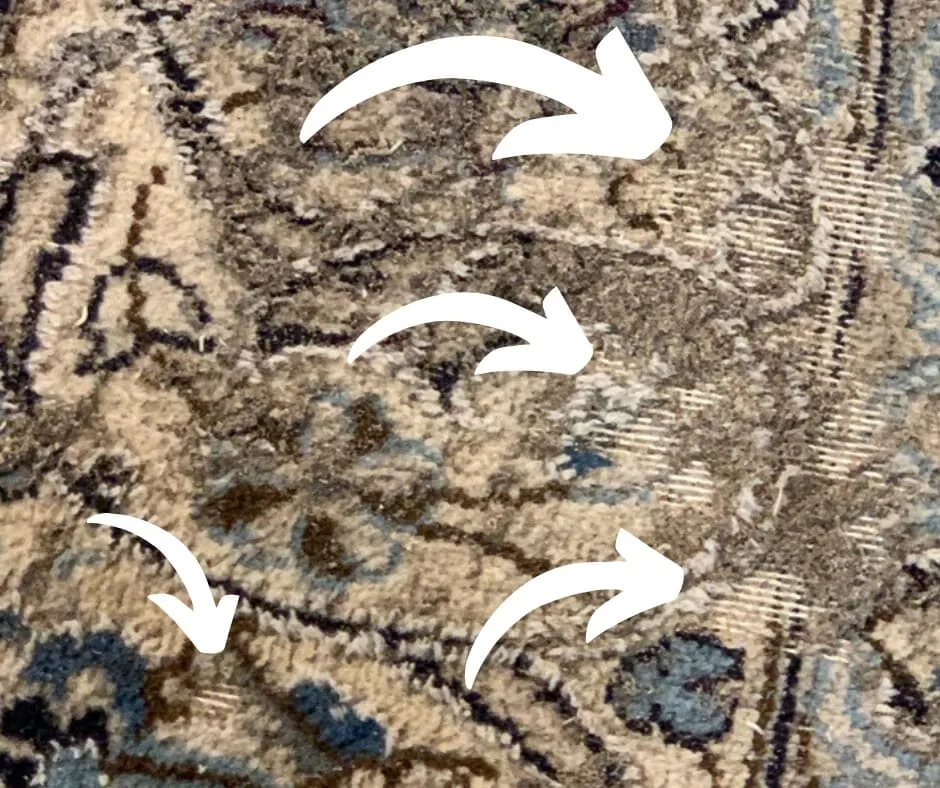

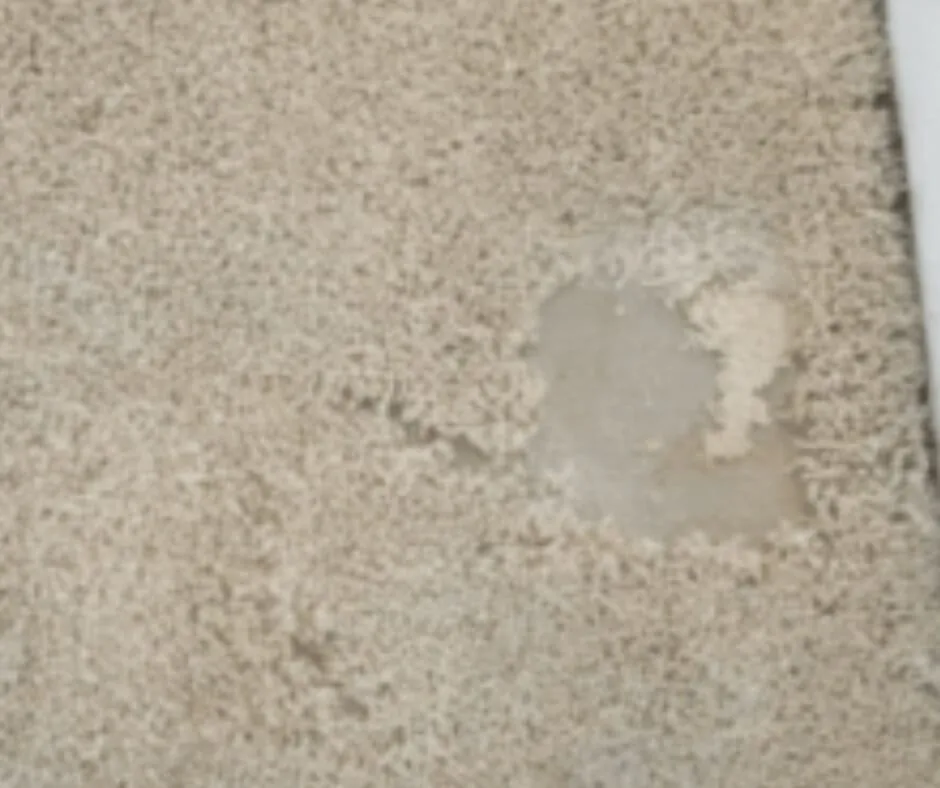
Bald or threadbare patches
Look for areas where the carpet pile has become thin, loose or completely missing. Damage often begins beneath furniture or around the edge of a room rather than in open, well-used areas.
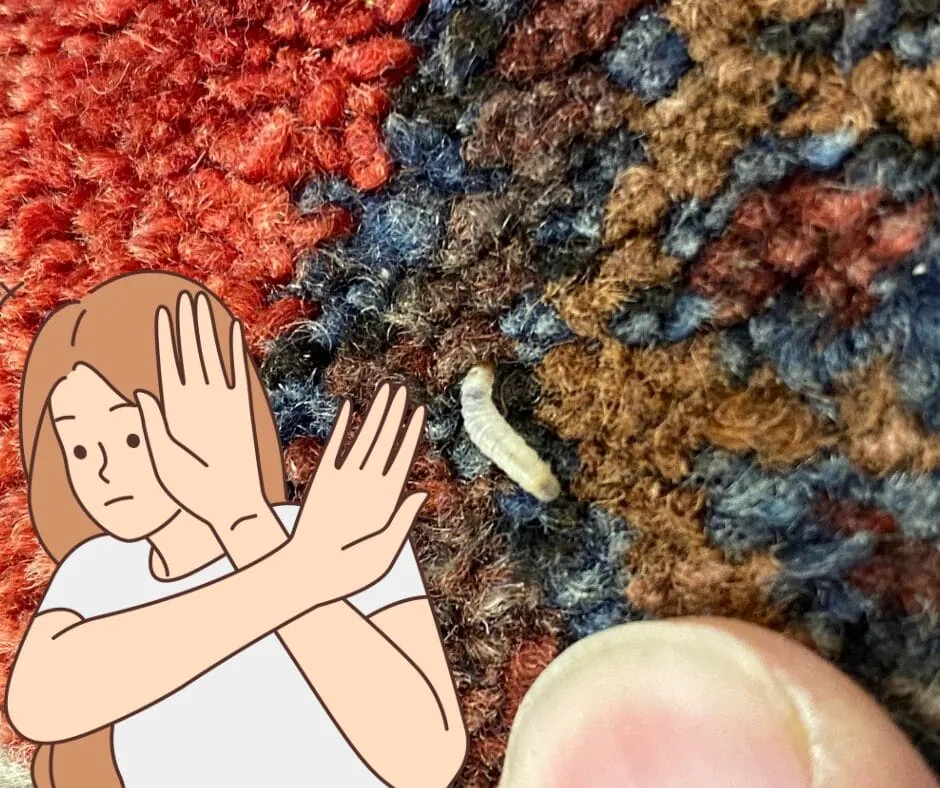
Cream-coloured larvae
Carpet moth larvae are generally pale or cream with darker heads. Depending on the species, they may be surrounded by webbing or carry a small silken case covered with fibres.
Eggs in carpet fibres
Moth eggs are tiny and difficult to see. They may be laid deep among fibres, in crevices or along carpet edges. Finding adult moths does not show you exactly where all the eggs have been laid.
Webbing, cases and cocoons
Silken material, small tubes or portable cases can indicate larval activity. These signs may blend into the carpet because larvae use surrounding fibres as camouflage.
Adult moths close to the floor
Small moths repeatedly appearing near carpets, rugs or wardrobes deserve investigation. However, an occasional moth beside a window may simply be an outdoor species. Correct identification is important before starting treatment.
Could It Be Carpet Beetles?
Not every damaged carpet has been attacked by moths. Carpet beetle larvae also feed on animal-based fibres and can produce similar damage.
The larvae look different. Carpet moth larvae are normally pale and relatively smooth. Carpet beetle larvae are brown, hairy and sometimes described as “woolly bears”. You may also find their cast skins around the affected area.
If you cannot identify the insect confidently, take clear photographs or collect a specimen in a sealed container. A pest-control professional should be able to confirm what you are dealing with. Using the wrong treatment wastes time while the real pest continues eating.
Understanding the Carpet Moth Life Cycle
A carpet moth develops through four stages:
- Egg
- Larva
- Pupa
- Adult
Only the larva feeds on the carpet, but every stage matters when controlling an infestation.
Local-authority guidance suggests that a female clothes moth may lay around 40 to 50 eggs. Development times vary according to species and conditions, particularly temperature and access to food.
This explains why killing the adults you can see is not enough. Eggs and larvae may remain hidden after the flying moths have disappeared. Treatment must interrupt the whole life cycle rather than winning one small battle against the adults.
Where Should You Look for Carpet Moths?
Begin with the damaged area, then widen the inspection.
Check:
- Beneath beds, sofas and cabinets
- Along skirting boards and carpet edges
- Underneath rugs
- Around radiator pipes
- Inside wardrobes and airing cupboards
- Behind boxes stored on the floor
- Around pet sleeping areas
- Inside upholstery seams
- Among wool blankets and clothing
- In adjoining rooms
If you live in a flat or another connected property, recurring moth activity may have a source outside the affected room. Shared walls, floor voids and neighbouring textiles can make the investigation more complicated.
How to Get Rid of Carpet Moths
1. Isolate movable textiles
Place affected clothing, blankets and other manageable items in sealed bags until they can be inspected and treated. Do not carry an uncovered, infested rug through the house. That can distribute larvae and eggs to previously unaffected areas.
Valuable, antique or hand-knotted rugs should be assessed before treatment. Wool, silk, dyes and backing materials do not all respond safely to the same methods.
2. Vacuum thoroughly
Vacuum the complete carpet, paying special attention to edges, cracks and areas beneath furniture. If the rug is suitable for vacuuming, inspect and clean both sides as well as the floor underneath.
Strong suction can remove some eggs, larvae and debris. It will not necessarily reach everything hidden within carpet edges, floor gaps or inaccessible areas, so do not treat vacuuming as a guaranteed cure.
When finished, empty the vacuum outside. Seal disposable contents before placing them in an external bin. Clean the machine according to its instructions.
3. Inspect nearby materials
Check clothing, curtains, upholstery, blankets and other natural-fibre items. Carpet moth treatment can fail when the carpet is cleaned but an infested wool blanket remains untouched in a cupboard.
This is where patience matters. Effective moth treatment is rarely about spraying one visible patch and hoping for the best.
4. Arrange appropriate cleaning
Professional carpet cleaning can remove soil, pet hair and organic residue that may support larval activity. It can also improve access to affected areas and help prepare the carpet for an appropriate treatment.
However, carpet cleaning and pest eradication are not the same service. Cleaning may remove some insects, but an established infestation can require a properly designed pest-management programme.
At Art of Clean, we believe in being honest about that distinction. Trust is more valuable than promising a result that one service cannot reliably deliver.
5. Use suitable treatment
Treatment depends on the moth species, severity of the infestation, affected materials and household circumstances.
Options may include:
- Detailed cleaning
- Treatment of suitable movable textiles
- Pheromone monitoring traps
- Approved residual pest treatments
- Professional heat or controlled cold treatment
- Targeted treatment by a trained pest professional
Always follow the manufacturer’s instructions for any treatment product. Consider children, pets, allergies and vulnerable occupants before introducing chemicals into the home.
If a carpet-cleaning company offers a specialist treatment, ask what the active ingredient is, how it works and which stages of the moth’s life cycle it affects. Words such as “natural” or “salt-based” are not complete safety information.
Do Carpet Moth Traps Work?
Pheromone traps are useful for detection and monitoring. They typically attract adult male moths, helping you identify activity and compare different areas of the property.
They do not directly remove eggs or larvae from the carpet. A trap containing several moths tells you there is activity. It does not prove that the infestation has been eliminated.
Use traps as part of a broader plan involving inspection, cleaning and appropriate treatment.
Do Natural Remedies Work?
Lavender and cedar may discourage some adult moths, but they are unlikely to eliminate an established infestation. They do not reliably remove larvae hidden beneath furniture or eggs tucked inside carpet edges.
Be cautious with vinegar, essential oils and steam. Wool carpets can suffer discolouration, shrinkage, texture changes or backing damage when exposed to unsuitable chemicals, heat or moisture.
A remedy is not economical if it kills the moth but ruins the carpet. Test nothing on valuable flooring without checking the manufacturer’s guidance or speaking to a suitably experienced professional.
How to Get Rid of Moths in Rugs
Rugs require special attention because larvae may hide underneath them or feed along protected edges.
Inspect:
- The face of the rug
- The underside
- Fringes and bindings
- The floor beneath it
- Nearby furniture and textiles
Do not assume a Persian, Oriental, silk or antique rug can tolerate normal household moth treatments. The fibres, dyes and construction may require specialist care.
If the rug must be transported, seal it first. A professional rug cleaner can assess the material and condition, while a pest-control specialist can advise on managing the wider infestation.
Can Moth-Damaged Carpet Be Repaired?
Some moth damage can be repaired, but the infestation should be controlled first. Otherwise, you may repair the carpet only to provide the next generation of larvae with a freshly restored dining area.
Possible repairs include:
- Re-tufting small areas
- Using a matching donor piece
- Replacing a damaged section
- Reweaving valuable rugs
- Replacing the carpet when damage is extensive
Repairability depends on the size and position of the damage, the carpet’s construction and whether matching material is available. An honest professional should also tell you when repair is unlikely to produce a satisfactory result.
How to Prevent Carpet Moths from Returning
Prevention is mainly about removing quiet hiding places and spotting activity early.
Vacuum regularly beneath furniture and around room edges. Move lighter furniture occasionally and inspect the exposed carpet. Remove pet hair, clean spills promptly and check second-hand rugs or furnishings before bringing them inside.
Clean wool clothing and blankets before long-term storage, then place them in properly sealed containers. Continue monitoring previously affected rooms after treatment.
Most importantly, do not stop checking simply because the adult moths disappear. The hidden life stages are the reason infestations seem to return from nowhere.
When Should You Call a Professional?
Seek professional help when:
- Several rooms are affected.
- Larvae remain after detailed cleaning.
- New damage continues to appear.
- Monitoring traps continue catching moths.
- The infestation source cannot be found.
- Valuable carpets, rugs or upholstery are involved.
- The problem returns after previous treatment.
A carpet specialist can assess cleaning and fibre damage. A pest-control professional can identify the species and plan eradication. A carpet repairer can consider restoration once activity is controlled. Serious cases may require all three.
At Art of Clean, our role is not simply to clean a carpet and disappear. We help homeowners understand what has happened, what can realistically be restored and what further help may be needed. That honest, long-term approach is especially important with wool carpets, where the right care can protect a valuable investment for many years.